
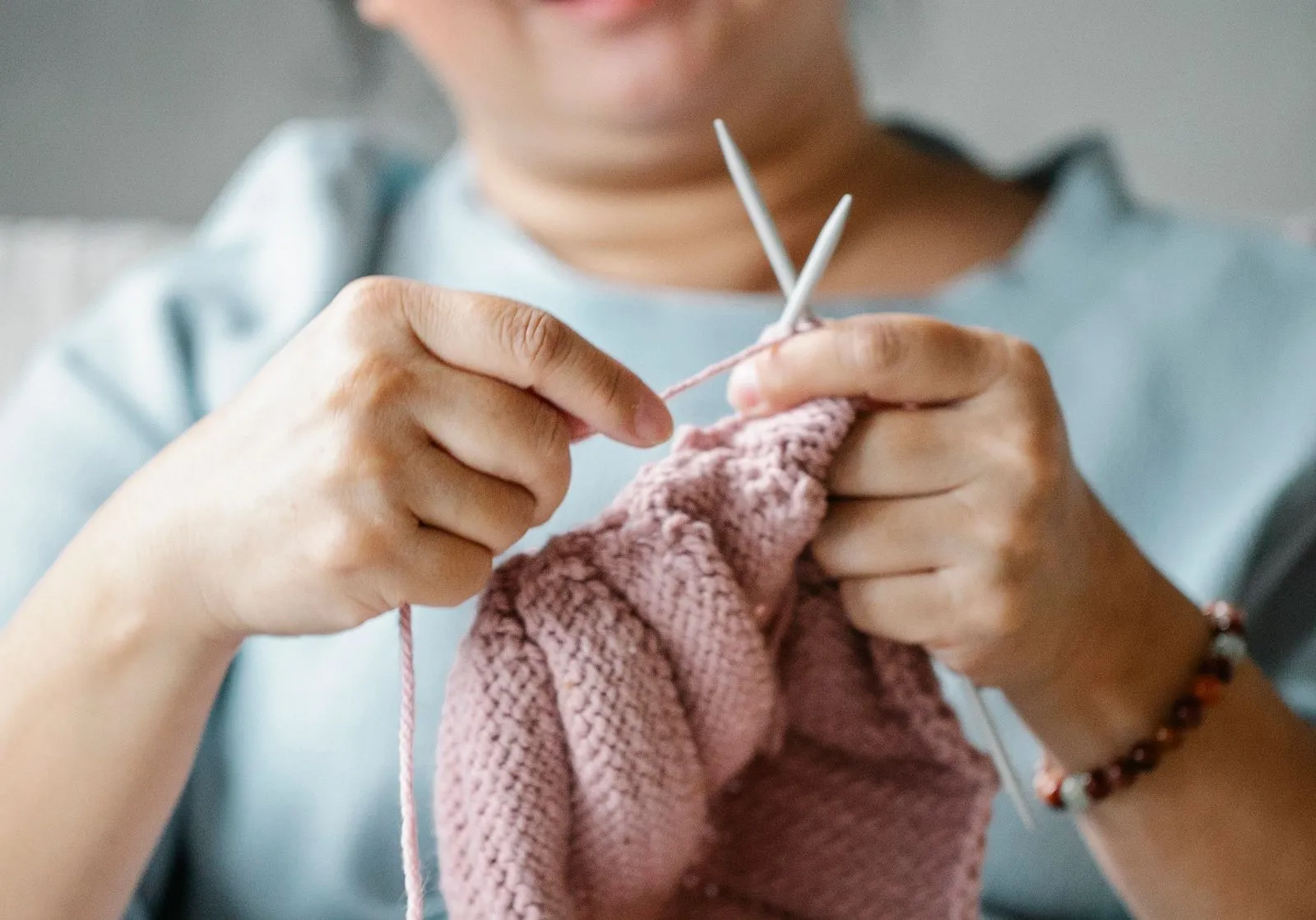
Your first knitting workshop is a chance to learn with hands-on help, not a test of what you already know. You can arrive without a bag full of tools or a perfect project in mind. A few practical supplies, comfortable clothes, and a willingness to try are enough to get started. Here’s what to bring, what a beginner class may cover, and how to choose a first project that keeps the fun in the stitches.
Pack A Few Useful Basics
Check the workshop details before you buy anything. Many classes provide needles and yarn, while others ask participants to bring their own. If supplies are included, bring a small notebook and pen for jotting down tips. If you need to bring tools, follow the instructor’s recommendations for needle size and yarn weight rather than guessing.
A small project bag can keep your yarn and tools together without taking up much space. Bring reading glasses if you use them for close work, and consider a water bottle or snack if the class runs for several hours. Leave specialty gadgets at home unless the workshop specifically asks for them; beginners can learn the essentials with just yarn and needles.
Know What To Expect
A beginner workshop often starts with choosing or identifying tools, making a slip knot, and learning how to cast on. The instructor may then demonstrate basic stitches and show how to manage yarn tension. Expect to practice slowly, undo a few stitches, and ask questions. Those are normal parts of learning, not signs that you are doing it wrong.
Wear comfortable layers so you can settle in, and choose sleeves that won’t catch on your yarn. Arrive a little early if you need to get settled or check your supplies. If you have sore hands, limited dexterity, or another access need, tell the instructor before class so they can suggest a comfortable setup or a useful adjustment.
Choose A Simple First Project
Look for a small, flat project that uses one main stitch and has a straightforward shape. A practice square, dishcloth, or simple scarf section can help you focus on the motions instead of complicated shaping. Ask whether the project suits your skill level and how much you can reasonably finish during or after the session.
For yarn, smooth, medium-weight yarn in a light or bright color is often easier to see than very dark, fuzzy, or highly textured yarn. Choose needles that match the yarn and the instructor’s guidance. Avoid projects with multiple colors, intricate patterns, or lots of finishing steps for your first try; you can explore those once the basics feel familiar.
Make The Most Of Class
Keep your first goal small: learn the motions and leave knowing what to practice next. Watch a demonstration, then try it yourself while the instructor can help. If a step feels confusing, pause and ask for it to be shown again. Taking a quick note or photo of a stitch sample—with permission—can make it easier to remember the technique later.
Before you head home, confirm the project instructions, the yarn and needle details, and how to fix a dropped stitch if that comes up in your work. Ask what to practice between sessions and whether you should bring your unfinished project back. At Purl & Prairie in Winnipeg, you can check workshop details in advance so you know whether supplies are provided.
You don’t need a perfect kit or a finished project to belong in a knitting workshop. Bring the supplies your class requests, choose a manageable project, and give yourself room to learn one step at a time. Check the workshop details before you go, then settle in and enjoy making your first stitches.